The Legend of Zelda Series: Where to Start? Part 1
One of the longest-running franchises in video game history, clocking in at forty years in 2026, The Legend of Zelda is also one of the most diverse. Every game in the series has something unique to offer in terms of setting and gameplay. Our goal for this feature is to provide information on excellent starting points for anyone curious about this series and its numerous titles. The Zelda universe is one of excitement and constant transformation. This first half focuses on its first twenty years, from 1986 to 2006. If you are interested in the later titles, look forward to our second part, which will arrive later this week.
By Andi Privitere, Alex Fuller, Sam Wachter, Casey Pritt, Cassandra Ramos, Pascal Tekaia, Amaan Bhimani, Michael Baker, Jordan McClain, Ezra Kinnell, Matt Masem, and Kelley Ryan
A Brief Introduction
The Legend of Zelda series began with a man and a game of make-believe. A young Shigeru Miyamoto would wander around in the nature surrounding his family home in nature, crawling into caves and seeking out adventure. In 1986, The Legend of Zelda was born from Miyamoto’s childhood exploration, and it would eventually become one of the most iconic and unique series under Nintendo’s stewardship. With twenty mainline games and numerous remakes under its belt, the series has consistently innovated and experimented through each console era. Whether it was finding ways to utilize the Nintendo DS’s two screens or Wiimote waggling, Nintendo constantly showed that they were willing to take risks with the series, even if it didn’t fully pay off.

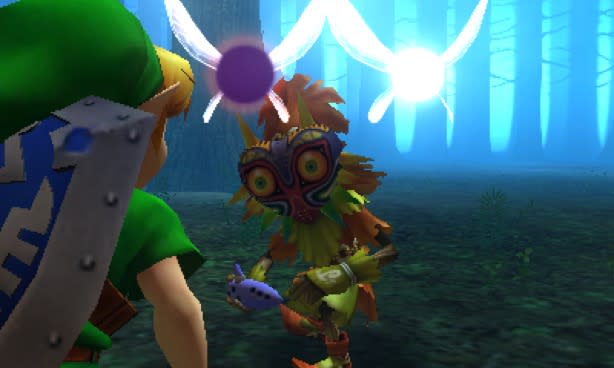
Zelda is always defined by that childlike sense of wonder and exploration across a wide world, usually Hyrule, but sometimes other fantastic lands. Rife with a multitude of oft-appearing races from the mountainous Goron and avian-like Rito to the aquatic Zora and forest-dwelling Kokiri, worlds are steeped in long-standing legends and filled with towns, treasures, fairies, and a variety of wretched creatures and enemies. When the forces of evil and darkness arise and descend upon the land, it is the duty of a hero embodying courage, who comes in many faces and across many times, but always as Link, to restore light and peace to that land. Usually wielding the blade of evil’s bane – the Master Sword – and always sporting a wide variety of magic and tools, players must navigate deep, winding dungeons while solving a multitude of puzzles. Along these adventures, Link is often in search of the divine Triforce, also wielded by Ganon and Princess Zelda, the three of whom are fiercely entangled in a struggle of good and evil that echoes eternally throughout the ages.
Given that there are so many Zelda games, it’s important to note that there are multiple timelines, though in the grand scheme of things, they don’t really matter all too much. Each of the games within the timelines has different gameplay mechanics or characters that are important, but not so much that the player will need to do a massive deep dive to understand things. The goal for this feature is to determine where the series’ best starting points are, while also highlighting titles of interest and sharing how accessible they are now, their unique elements, and if they could be a potentially great game for a newcomer. There is always a debate as to whether Zelda is an RPG. We are not here to have that discussion. We’re here to share why RPGamers love this series, and if you haven’t tried it, why you should take the plunge!
The Legend of Zelda
Available on: NES, GameCube (via The Legend of Zelda: Collector’s Edition), Game Boy Advance, Nintendo Switch Online
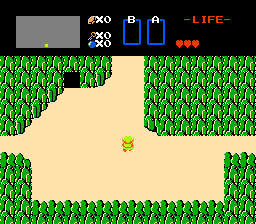
The first game in the series is iconic for its one-liners and overworld, but its gameplay has since been outdone time and time again. Like many of its peers on the NES, it’s cryptic at every turn and filled with enemies that deal serious damage and shuffle around the screen erratically. Meanwhile, dungeons blend together through their generic layouts and basic puzzles, even if they have a tense atmosphere and an air of mystery. Its refusal to hold players’ hands gives its world a unique sense of danger and adventure, but the price for experiencing that thrill is periodic confusion and frustration.
Beyond its flaws may lie a satisfying quest, but only for those with the courage to push through or the wisdom to use a guide. Though easily accessible through the Nintendo Switch Online service, newcomers should steer clear of it because of both its difficulty and its average quality which fails to represent the best of the series. Instead, it’s something to come back to with a few of Link’s adventures under one’s belt, after which its better parts can shine through and a greater level of respect for it can be found. — Amaan Bhimani
Zelda II: The Adventure of Link

Available: NES, GameCube (via The Legend of Zelda: Collector’s Edition), Game Boy Advance, Nintendo Switch Online
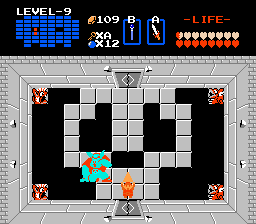
As the black sheep in the canonical entries of the series, 1987’s Zelda II: The Adventure of Link is certainly the most different of the bunch. Eschewing the top-down perspective of the first game and other 2D games in the series, Zelda II instead restricts the birds-eye view to an explorable overworld and adopts a side-scrolling mode for both combat and exploration in towns and dungeons, with some platforming mechanics thrown in for good measure. In combat, enemies can block, jump, and use high and low strikes, and Link can return these in kind. Further, Zelda II has action RPG mechanics that remain exclusive to this game. Instead of gaining strength through items, weapons, or hearts, Link instead has Attack, Magic, and Life stats, which are leveled up by defeating enemies, with each stat affecting his damage, spell-casting ability, or damage received. Accrued experience is reset upon losing all lives, with extra lives being another of Zelda II’s unique features, making the later parts of the game quite a high-stakes adventure due to the possibility of losing all accrued experience.
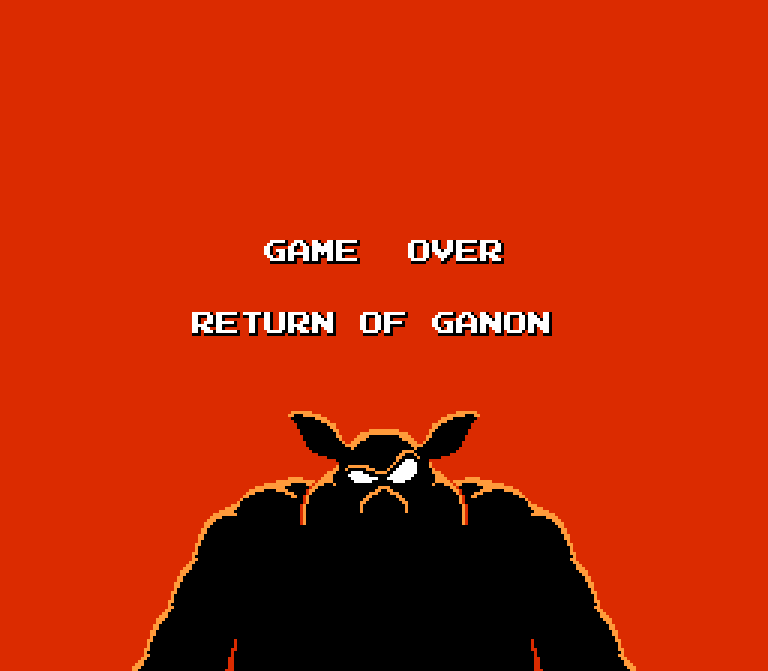
All in all, Zelda II is an odd amalgam of later 1980s video game design, and is the game that is the biggest product of its era — the RPG mechanics evoke Dragon Quest, side-scrolling elements resemble Castlevania, and combat has a beat ‘em up style evocative of contemporary arcade and NES titles. Another part of its identity and product of its era is the game’s challenge: Zelda II is hard, and probably one of the best representations of the NES-era “Nintendo hard” difficulty. There are semi-random encounters on the overworld, with black silhouetted enemies that will surround and swarm Link. The overworld and the game’s backstory have an oppressive atmosphere, as well. Being a direct sequel to the first game, Ganon remains dead, but his minions seek to kill Link to retrieve his blood, which can revive Ganon if sprinkled on his ashes, resulting in one of the scariest Game Over screens of all time. Further, the core of the game’s plot sees Princess Zelda (a different one from the first game) cursed into a perpetual slumber, caused by her brother’s inquiries into the secrets of the Triforce; only by finding the Triforce of Courage can Link awaken her.
While the Nintendo Switch Online service offers the most modern and convenient option to play, original NES carts are relatively abundant and won’t break the bank, and GBA carts of the “Classic NES series” version can usually be found even cheaper. The game is also available on the GameCube’s The Legend of Zelda: Collector’s Edition, though this can be difficult and expensive to procure. If players are looking for a hardcore experience and something different gameplay-wise, Zelda II is worth a shot, but beware, it’s not for the faint of heart… or courage. — Jordan McClain
The Legend of Zelda: A Link to the Past

Available on: SNES, Game Boy Advance, Wii, Wii U, Nintendo 3DS, and Nintendo Switch Online
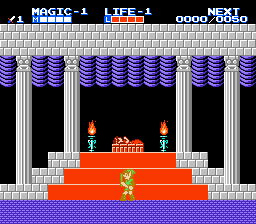
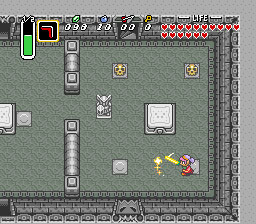
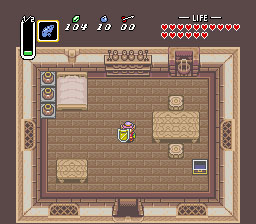
Released in 1991, A Link to the Past saw the series make the jump into 16-bit territory, with an entry that returned to the original’s top-down roots while also introducing a plethora of what would become franchise staples, like Link’s Master Sword, along the way. Canonically, it even predates the NES duology, though it is set so far in the distant past that it might as well be wholly standalone. The game sees a young Link awoken one stormy night by a telepathic call for help from nearby Hyrule Castle. Following his uncle, who also received the summons, Link frees Princess Zelda from the clutches of the evil wizard Agahnim, who is attempting to free Ganon from the Dark World in which he is imprisoned. Link sets off on an adventure to find three magical pendants, which will allow him to wield the mythical Master Sword, the only weapon that can defeat Agahnim. Players are in for quite an adventure, particularly since defeating the malevolent wizard is only the beginning of Link’s quest…
A Link to the Past marks a fantastic entry point for newcomers to the series. As a distant prequel, it requires absolutely no knowledge of prior entries, while eliminating the contentious gameplay design choices of the previous installment. Aside from its huge gameplay influences on the gaming world as a whole, the Zelda series itself has continued using elements first introduced here. Gameplay is smooth, music is great, and the 16-bit sprites and pleasing graphics have aged remarkably well. It is also far more approachable than either of its predecessors in terms of difficulty, and cryptic puzzles and issues caused by poor translation are a thing of the past. It is a wonderful adventure that both young and old will be able to enjoy, which itself has seen a direct sequel in A Link Between Worlds. The game is also extremely easy to acquire, with re-releases over time on Game Boy Advance, Wii, Wii U, and 3DS, but is currently available as part of the Super NES Classic mini-console and is included as a Nintendo Classic via the Switch’s Virtual Console. — Pascal Tekaia
The Legend of Zelda: Link’s Awakening
Available on: Game Boy, Game Boy Color (DX Version), Nintendo Switch Online
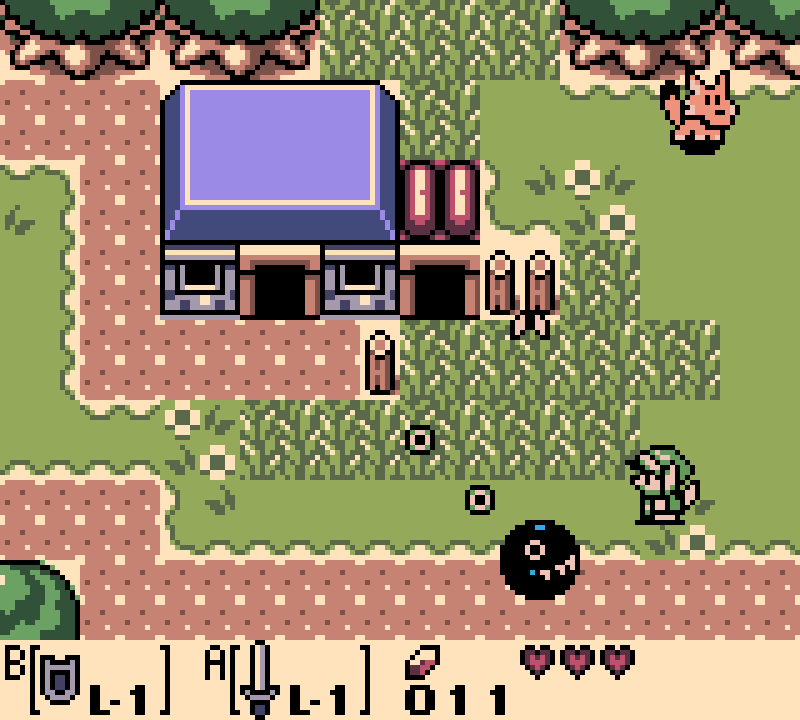
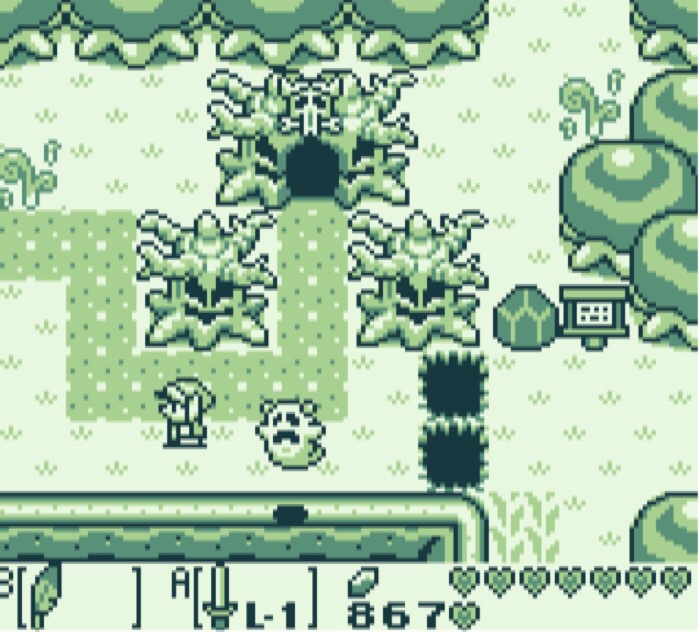
Link’s Awakening is one of the most novel and interesting entries in the series, as it lacks the familiar setting of Hyrule and series staples like the Triforce or the eponymous Princess Zelda. Instead, after setting sail for a foreign land after the events of A Link to the Past, Link’s ship crashes and he finds himself stranded on Koholint Island, where he meets a strange, bizarre cast of characters — including Chain Chomps, Goombas, Yoshi from Mario, and even Kirby — and has to find his way back home by awakening a deity, the Wind Fish, on top of a mountain, by finding eight musical instruments.
If players are coming into the series and have absorbed elements of it by osmosis (Ganon, Triforce, Zelda, etc.), Link’s Awakening offers something relatively distinctive, with a peculiar, surreal atmosphere and characters unlike much of the series’ typical fare. Further, for those looking for a shorter adventure, Link’s Awakening fits the bill, being a relatively brief and straightforward adventure – much shorter than Breath of the Wild and less cryptic than the original Legend of Zelda on NES. Despite its brevity, a lot of love and interesting thematic elements, from paranoia to outright absurdism, are evident in the dungeon and enemy design. For players who choose this as an entry point, play the DX version of the game for the Game Boy Color, which is also available through the Nintendo Switch Online service. The original black-and-white version, which hasn’t aged well, has yet to be brought to Nintendo’s subscription service and remains on the original Game Boy. — Jordan McClain
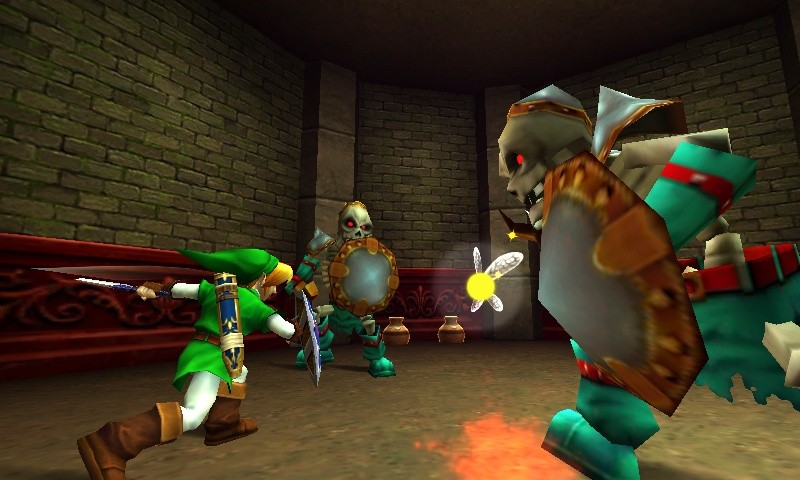
The Legend of Zelda: Ocarina of Time
Available on: Nintendo 64, GameCube (via The Legend of Zelda: Collector’s Edition), Nintendo 3DS, Nintendo Switch Online
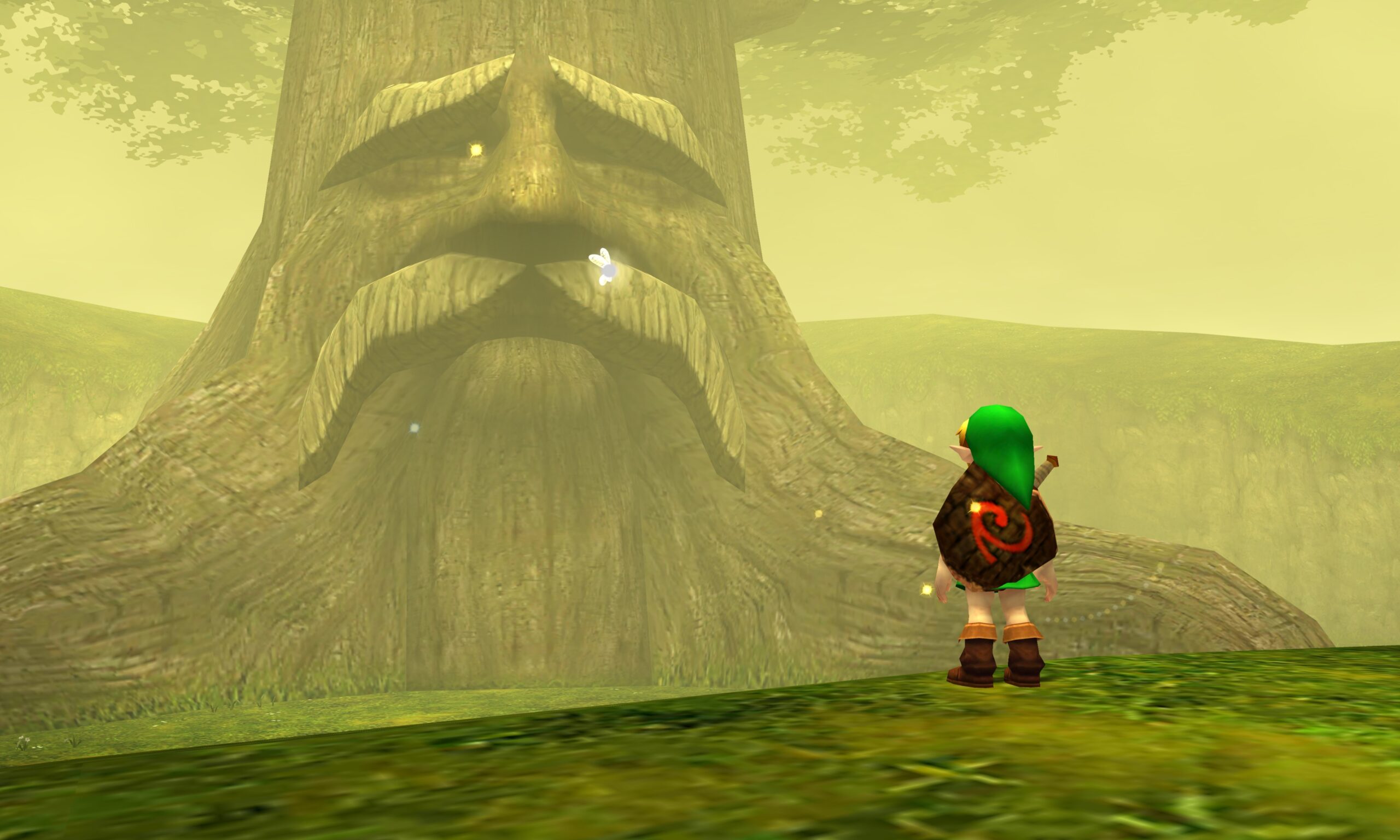
The Legend of Zelda’s first foray into the 3D realm produced one of the most noteworthy games of its generation, and one still often regarded as among the greatest of all time. One of the seminal titles of the Nintendo 64, the game heavily involves time travel and sees players controlling both a young and more grown-up Link, who is able to time travel by placing or removing the Master Sword from its pedestal. Another major innovation is the titular Ocarina of Time itself, which allows players to teleport, influence the time of day and weather, and more, providing ample opportunities to immerse players into its world and offering them new mechanics. There are many gamers out there who still fondly remember the songs and their effects.
Ocarina of Time demonstrates many elements that have since become commonplace, not just in the series, but in gaming as a whole. Its Z-targeting system has become a crucial part of many 3D games since, while its open world demonstrates an acutely impressive blending of exploration, puzzle-solving, and engaging combat that has remained a prime example to this day. The game’s level design also provides plenty of top-drawer experiences, including numerous superb boss encounters.
While playing its impressive Nintendo 3DS port is now much more challenging, the original Nintendo 64 version is readily available to play on Switch through the Nintendo Switch Online + Expansion Pack subscription service. It’s an important piece of gaming history well worth experiencing and a great place to start. — Alex Fuller
The Legend of Zelda: Majora’s Mask
Available on: Nintendo 64, GameCube (via The Legend of Zelda: Collector’s Edition), Nintendo 3DS, Nintendo Switch Online
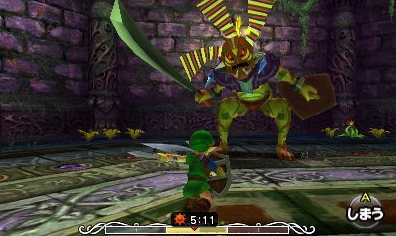
Although an unconventional first choice, this direct sequel to Ocarina of Time, which was released in the year 2000, may be an excellent introduction for the right person. The Legend of Zelda: Majora’s Mask follows Link on a somber quest to save the denizens of a parallel world from the impending fall of the moon in three days. Many familiar faces appear as alt-universe versions of Ocarina of Time characters. Still, this game offers a deeper exploration of the emotional lives of its cast, so they are no less interesting even if you don’t recognize the callbacks.
Challenge seekers may appreciate how Majora’s Mask refines mechanics established by its predecessor and raises the difficulty a notch. By design, it’s hard to clear every dungeon within the in-game clock’s allotted 72 hours; instead, players are meant to reset back to the dawn of the first day before the moon touches down, keeping key items that enable easy catch-up. Something of an acquired taste, this unique feature allows NPCs to move according to a set schedule, imbuing them with a lifelike three-dimensionality unprecedented for its time.
Please be aware that the Nintendo 64 version requires your console to have an Expansion Pak accessory installed. Much like Ocarina of Time, Majora’s Mask is also playable via the Nintendo Switch Online + Expansion Pack service. In 2015, we received a 3DS remake that largely remains faithful to the original, while introducing a few gameplay changes and its own brand of stylistic charm. Just steer clear of the GameCube version made available as part of The Legend of Zelda: Collector’s Edition, rightfully maligned for its many bugs. — Casey Pritt
The Legend of Zelda: Oracle of Ages / Oracle of Seasons
Available on: Game Boy Color, Nintendo Switch Online
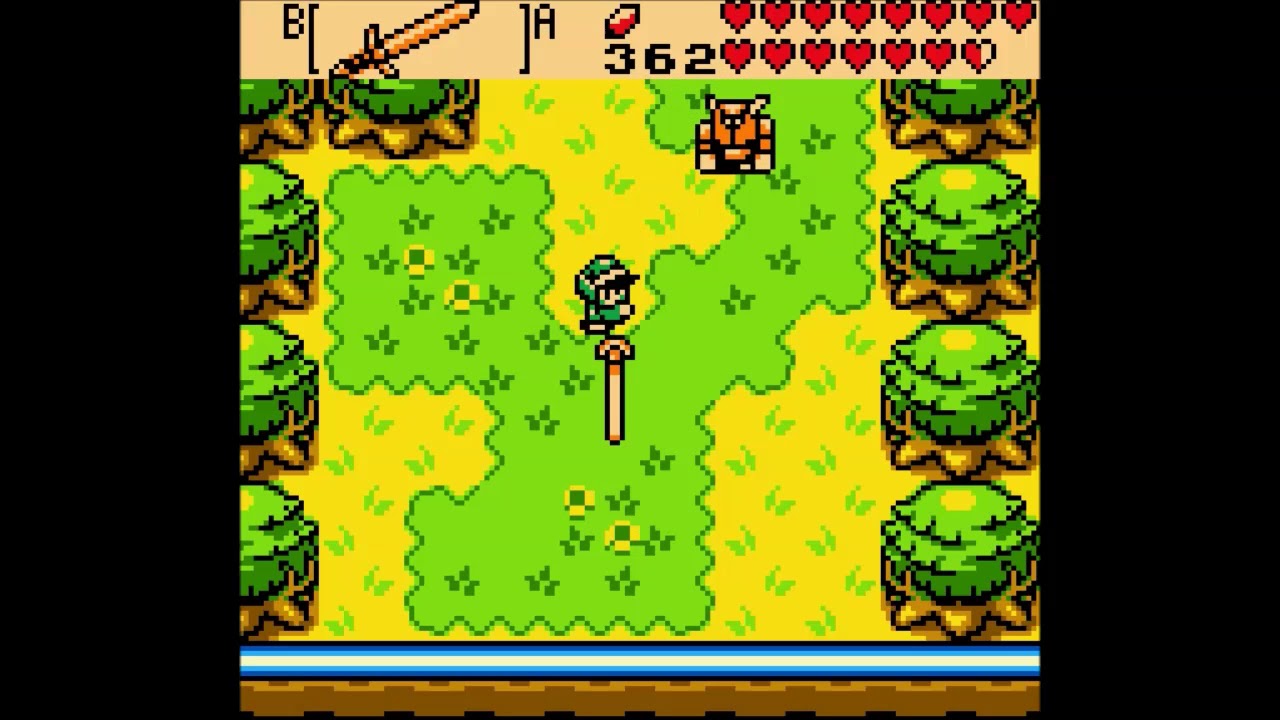
Those who enjoyed Link’s Awakening and seek a similar experience can’t go wrong with the Legend of Zelda: Oracle of Ages/Seasons duology. Released in 2001 on the Game Boy Color, these games were the result of an attempted remake of the original Legend of Zelda. Because they are a late release for the Game Boy Color, they squeeze every drop of graphical fidelity out of the tiny system and are a visual treat to play through.
Why are these two games always brought up together? Because while each game is a standalone title, they can be linked together to make one long, cohesive Zelda experience. When one game is finished, the game creates a clear-data password that a player enters in the other game, changing some events, and creating a different final boss scenario that functions as the true ending of both games. Owners of the original hardware can even forgo the password that players enter and use a link cable to connect the games. In addition to the link functionality, playing on a Game Boy Advance unlocks an additional shop with some bonus items. There was going to be a third game, creating a trilogy with each game relating to a different aspect of the Triforce. Oracle of Seasons was about power, Oracle of Ages was about courage, and the third proposed game would have been about wisdom. However, this proved too complex, so some ideas from the third game were incorporated into the other two.
One might expect slight Pokémon-like differences between the games, but that’s not the case. Each game functions as a unique game, with the same gameplay and visuals as Link’s Awakening. Both games are packed with content, taking over twenty hours each to fully complete. They start with a similar premise, where a Sage of the Triforce is kidnapped, and Link must rescue them. The titles themselves hint at each game’s gimmick, with Oracle of Seasons allowing Link to switch between any season, while Oracle of Ages lets Link jump between two different periods in time.
Picking which to play first depends heavily on one’s play style preference. Oracle of Seasons focuses on combat and action, while Oracle of Ages focuses on puzzles and story. Many fans recommend starting with Seasons and linking into Ages, as the bonuses from Seasons can help with the gameplay of Ages. Others recommend Ages first, due to the excellent story. At the end of the day, they are both amazing games, and either one makes an excellent start to the duology and the series as a whole. Owners of a Nintendo Switch have easy access to both of these games with a basic Nintendo Online account, though linking the two games is only available via password; but finding two cartridges that still have a functioning save battery is a far greater challenge. Given the prices of retro games, perhaps the convenience of Nintendo Switch Online is the better option. Either way, this duology is a delight to play. — Kelley Ryan

The Legend of Zelda: Four Swords
Available on: Game Boy Advance, Nintendo DS, Nintendo Switch Online
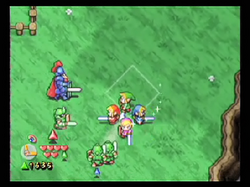
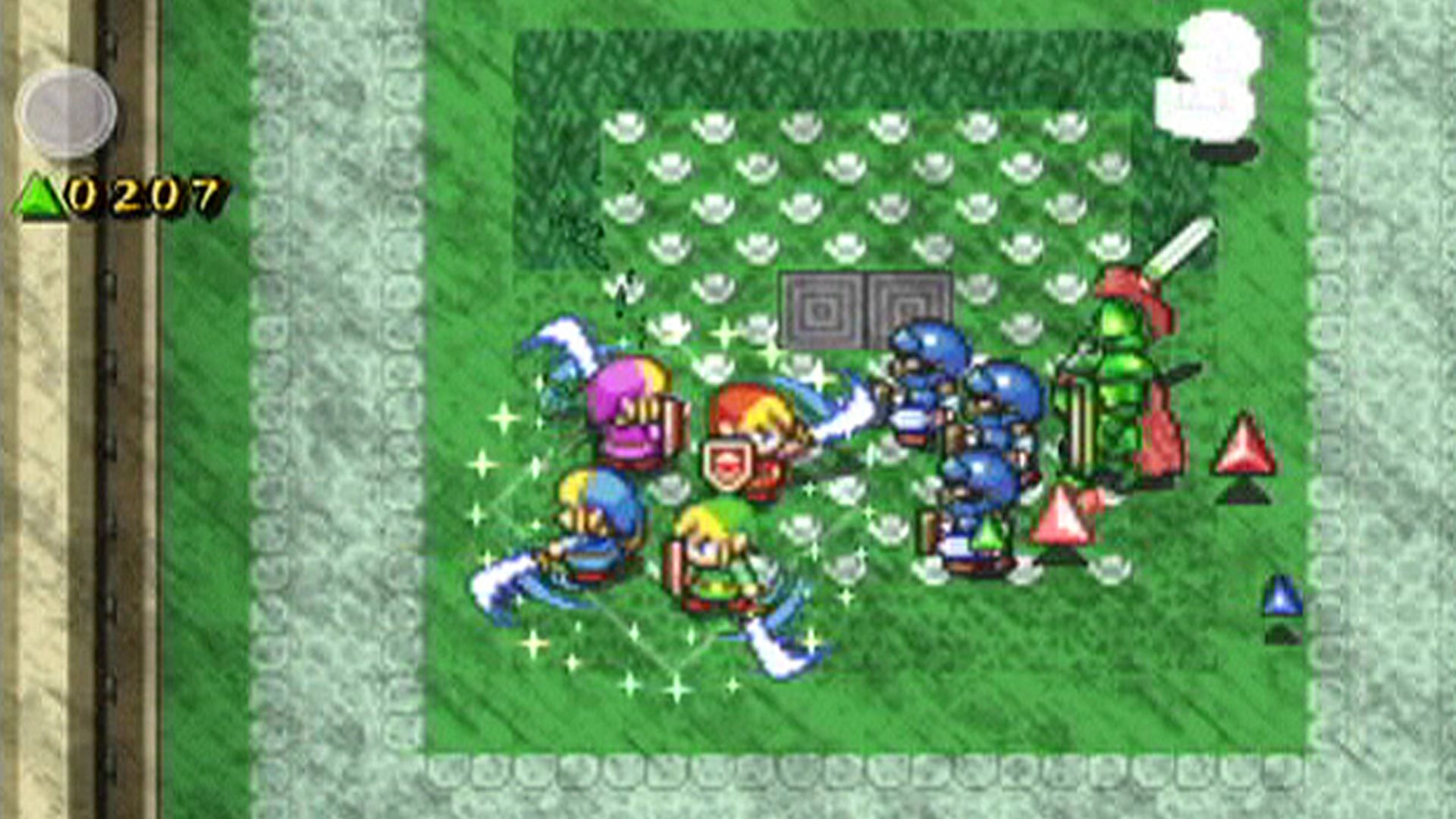
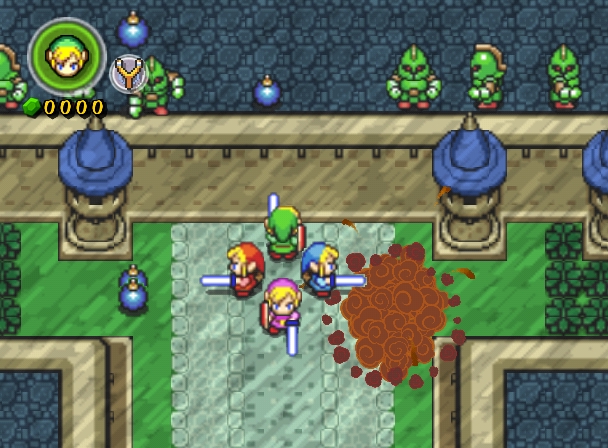
The Legend of Zelda: Four Swords is a truly unique experience in the Zelda franchise, sitting within the Vaati trilogy that includes Minish Cap and Four Swords Adventures. Originally released on the Game Boy Advance on the same cart as the Link to the Past port, it’s the rare Zelda title that was released in North America prior to landing in Japan. Featuring mandatory multiplayer, with two to four players exploring randomly generated dungeons, players must work together to surmount increasingly challenging goals, conquering each of the game’s “epics” by finding keys on the way to the game’s static final level, Vaati’s Palace. Players will need to conquer all three epics and complete a boss gauntlet to see the game’s full story.
Four Swords was later released as a single-player game for the Nintendo DS, as well as being available for download briefly on the 3DS. As of June 2024, the GBA version is also available on the Nintendo Switch Online + Expansion Pack service, with both local and online co-op play. As it required quite a bit of hardware and coordination to play — those who wanted to experience the game must have a copy of the game, their own GBA, and a link cable — few players have experienced the title, so while it’s a spectacularly terrible place to start your Zelda journey, it’s still a fascinating title to dive into for those with a little patience, and a few friends to drag along for the experience. — Andi Privitere
The Legend of Zelda: Four Swords Adventures

Available on: Nintendo GameCube, Nintendo Switch Online
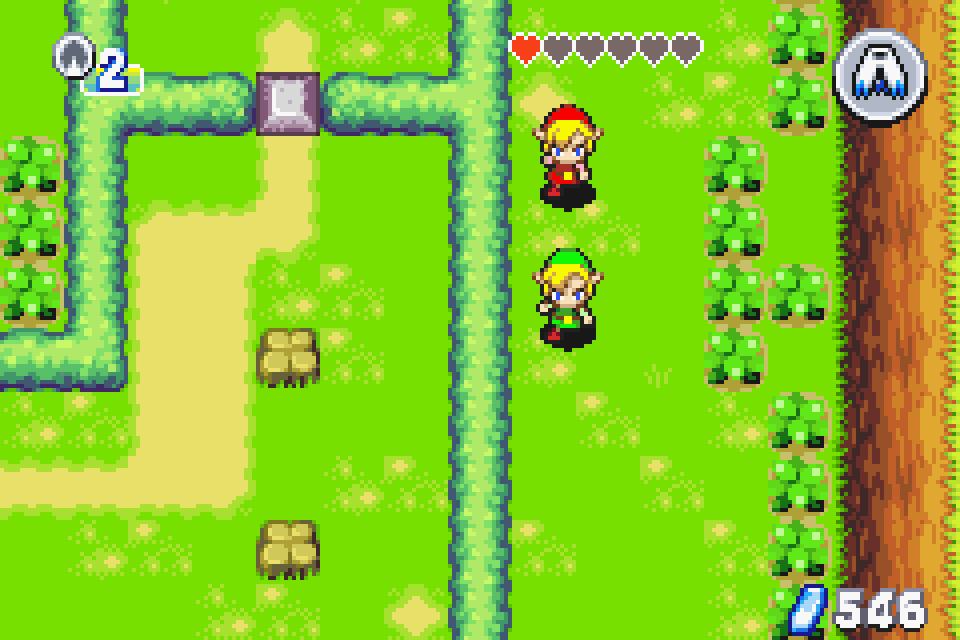
In terms of gameplay, this 2004 GameCube exclusive is a solid Zelda experience, if not a terribly bog-standard one. The story begins with Link taking up the legendary Four Sword, which divides him into “four-who-are-one,” to pursue a shadowy figure resembling himself. Anywhere between one and four people can take control of these Links, together tackling a series of stage-based missions. This is a departure from the usual formula of a solo player adventuring through an open world, but it makes for a good time whether alone or with friends. In multiplayer mode, each person controls the game with a GameBoy Advance connected to the main console and uses their GBA’s screen to see inside caves and other nooks and crannies, allowing the party to move somewhat independently and keeping the TV screen clutter-free.
In an ideal world, Four Swords Adventures could be an excellent way for experienced Zelda gamers to introduce new players, particularly younger ones, to the series. However, this title has yet to receive any port or remake love from Nintendo, and acquiring a GameCube, a copy of the game, plus anywhere between two and four GBAs with the appropriate link cables is a bit of a tall order. Let’s hope we don’t have to wait too much longer for this delightful entry to be brought into the online co-op age! — Casey Pritt
The Legend of Zelda: Wind Waker
Available on: Nintendo GameCube, Nintendo Wii U, Nintendo Switch Online
To say that The Legend of Zelda: The Wind Waker was a polarizing game before it came out would be an understatement. When the game first showed off its cel-shaded, cartoony art style, many fans decried it for looking childish. Despite initial misgivings, most people who played the game thought positively of it and still look back on it fondly. Those same cel-shaded graphics are now seen as having aged well compared to more realistic games of the time. The gameplay takes what worked in Ocarina of Time and Majora’s Mask and improves upon it. It also had the most involved story in a Zelda game at the time, with some memorable characters, particularly the pirate captain Tetra.
The Wind Waker would make for a great starting point in The Legend of Zelda series. It has all of the hallmarks one would expect of a game in the series: the Triforce, the Master Sword, Princess Zelda, Ganondorf, puzzles, dungeons, and various sidequests. The gameplay is more modern than in the early Nintendo 64 titles, with more fluid combat and being able to control the camera freely. While this game does reference Ocarina of Time, the callbacks are not intrusive, so a newcomer wouldn’t feel like they are missing anything if they played Wind Waker first. The setting is something of a double-edged sword, as the Great Sea is largely unique to the series, and sailing can be tedious. The ocean is mostly featureless, and it takes a long time to get anywhere, even late in the game with the ability to warp. There is an HD remaster of The Wind Waker, which not only improves the graphics and implements some use of the Wii U Game Pad, but also adds the Swift Sail item, allowing for faster travel on the water.
While many Wii U games made the jump to the Nintendo Switch, no such port was ever done for The Wind Waker HD. The original GameCube game is currently available on the Switch 2, but only as part of Nintendo Switch Online’s Expansion Pack. Not only does this premium subscription tier cost more, but the game lacks the additions and improvements of the HD version. Regardless of how one plays it, it’s an excellent game that can serve as a great entryway into the Zelda series. — Cassandra Ramos

The Legend of Zelda: The Minish Cap
Available on: Game Boy Advance, Nintendo Switch Online
Co-developed by Capcom and Flagship, The Minish Cap was first released in 2004 for the Game Boy Advance as another fantastic iteration of the classic top-down formula established by series greats. This time, Link gains the ability to shrink to the size of a mouse, a whimsical power that both hinders and helps his quest by turns. For example, basic enemies our protagonist could normally best with ease now loom large and require boss-level efforts to defeat. Conversely, Link also gets to run along rafters, easily slip through holes in walls, and learn the secrets of the legendary pint-sized Minish people.
Beyond its hallmark mechanic, this game’s combat, puzzles, and story were all clearly crafted with care. In terms of tone, it’s not afraid to get silly — perhaps best epitomized by Link’s grumpy hat, Ezlo — but stops short of full camp. Two decades later, the whole package holds up well. In addition to its original GBA release, The Legend of Zelda: The Minish Cap is currently playable with a Nintendo Switch Online + Expansion Pack subscription. This title could make a great potential starting point for those who want something a bit fanciful. — Casey Pritt
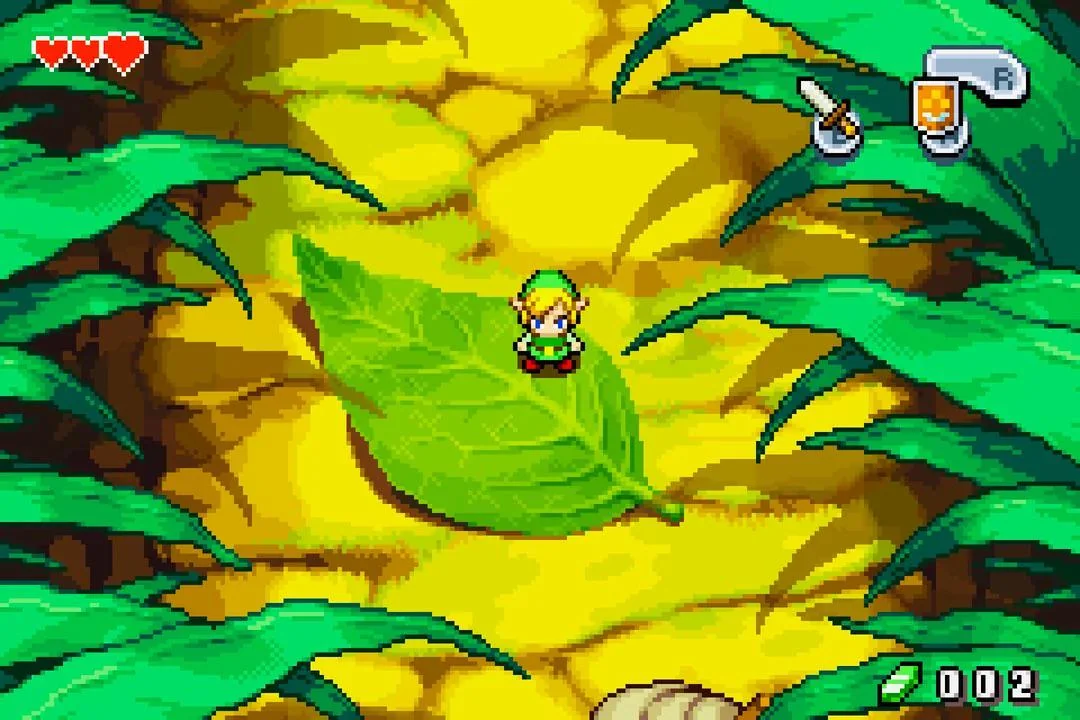
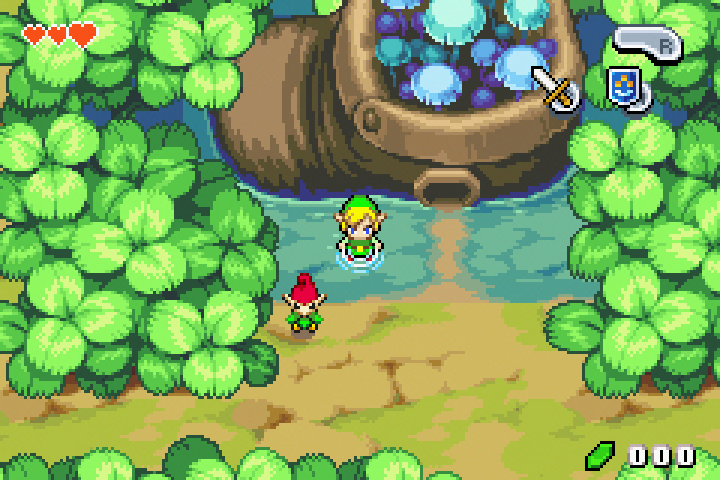
In addition to all of the games listed above, we also have a small bonus section for some of the other earlier Zelda releases. The first part of this section covers the late 1980s cartoon series, which loosely follows the events of the first game and shares some similarities with the comic series released around the same time. The second part briefly considers the CD-i games produced by Philips Interactive Media in the early to mid-1990s.
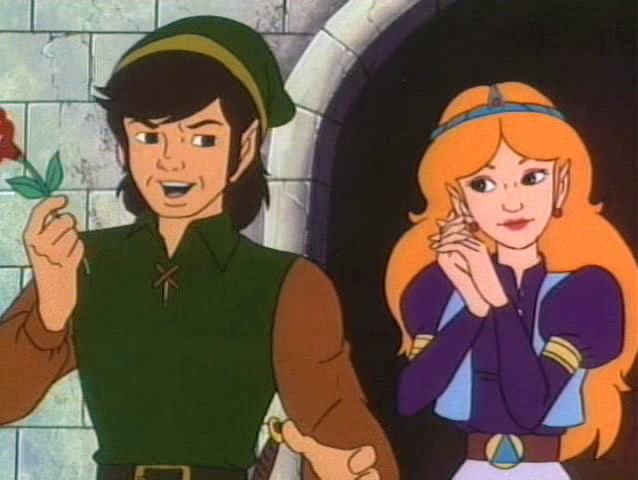
The Legend of Zelda cartoon
Available on: DVD
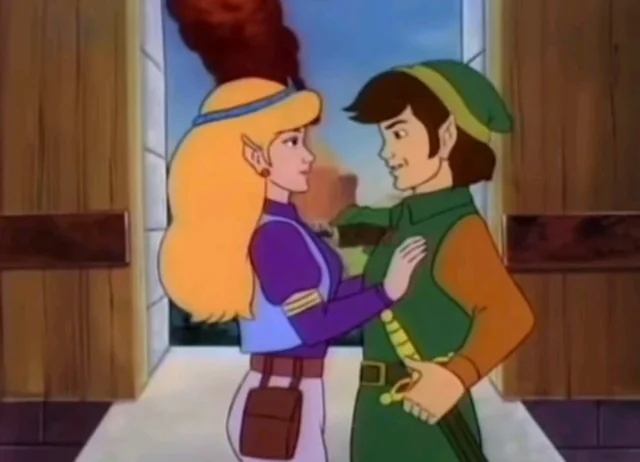
For gamers of a certain age, the phrase, “Well, exkyuuuuuze me, Princess!” provides a certain (for lack of a better word) nostalgia. The Legend of Zelda cartoon ran with the Mario Bros. cartoon show for a season or two, providing a Friday afternoon anchor after four days of being hooked on the brothers.
Was it a good show? Most decidedly not. But for young gamers in the early elementary grades, it was fun. As we grow older now, we can look back on those years and wonder what the heck we were thinking, but the memories are weirdly enjoyable — as long as we never bother to look up either of these cartoon shows ever again. Some things are best left to the fuzzy haze of childhood.
But, with the promise of a Legend of Zelda movie in the nearish future, the cartoon series may yet see some payoff. I cannot have been the only person who, when sitting through the start of the Super Mario Bros. movie in 2023, immediately started mumbling along to its adaptation of the original cartoon’s plumber-rap intro theme as it played. There shall undoubtedly be some form of homage or easter egg for us to appreciate, and it might very well be an “exkyuuuuze me!” moment. We can look forward to that without ever looking back, however. — Michael Baker
The Legend of Zelda CD-i Games

Available on: Phillips CD-i
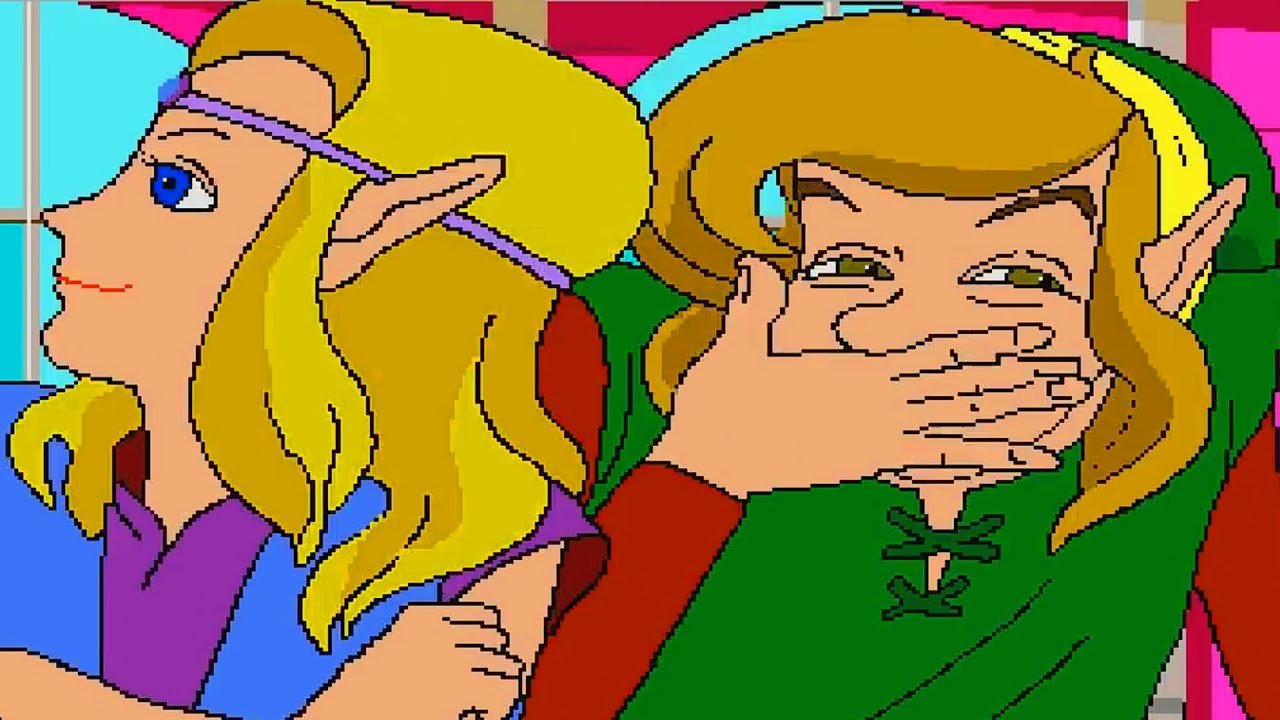
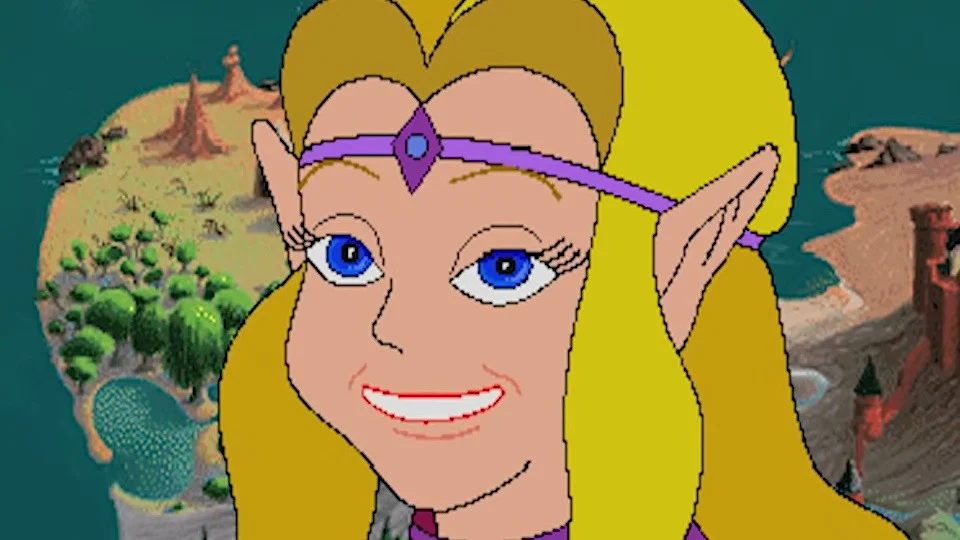
So you want to play the Phillips CD-i Zelda games…
Link: The Faces of Evil — DON’T
Zelda: Wand of Gamelon — DON’T
Zelda’s Adventure — …different, but still don’t.
These games are cursed objects that, when seen by the player, can never be unseen again. For your safety and others, consider saving a life by never playing these titles. If you’re curious, watch it on YouTube, but even then… don’t do that.
Thanks for reading the first part of our Where to Start guide on The Legend of Zelda series. We hope that it is useful and helps others enjoy a much-beloved series, and welcome readers’ own thoughts on the best entry points and play order. Wherever one chooses to jump in, there are going to be many hours of enjoyment waiting for them.
The post The Legend of Zelda Series: Where to Start? Part 1 appeared first on RPGamer.